View product
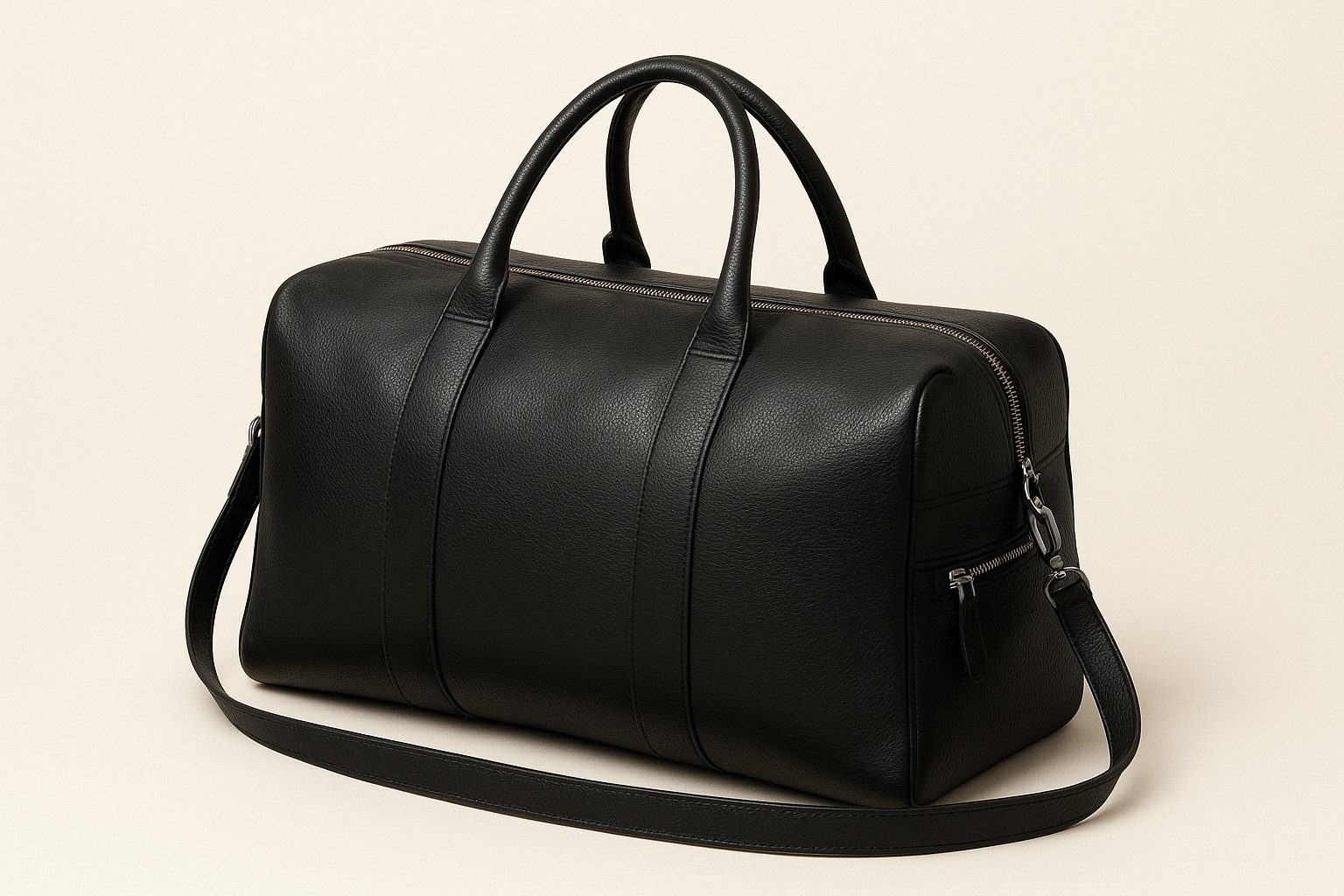
Workshop Leather Zip Holdall
A 28 litre weekender-style holdall with a wide zip opening and separate end pocket.
View productThe carry wall
Litres provide a useful starting point, but the outline, opening and compartment plan determine how a bag works in practice. Use this guide to compare the five formats against what you actually carry rather than choosing by capacity alone.
Bikers Paradise
Practical guidance connected directly to the live catalogue and support flow.
View product
A 28 litre weekender-style holdall with a wide zip opening and separate end pocket.
View product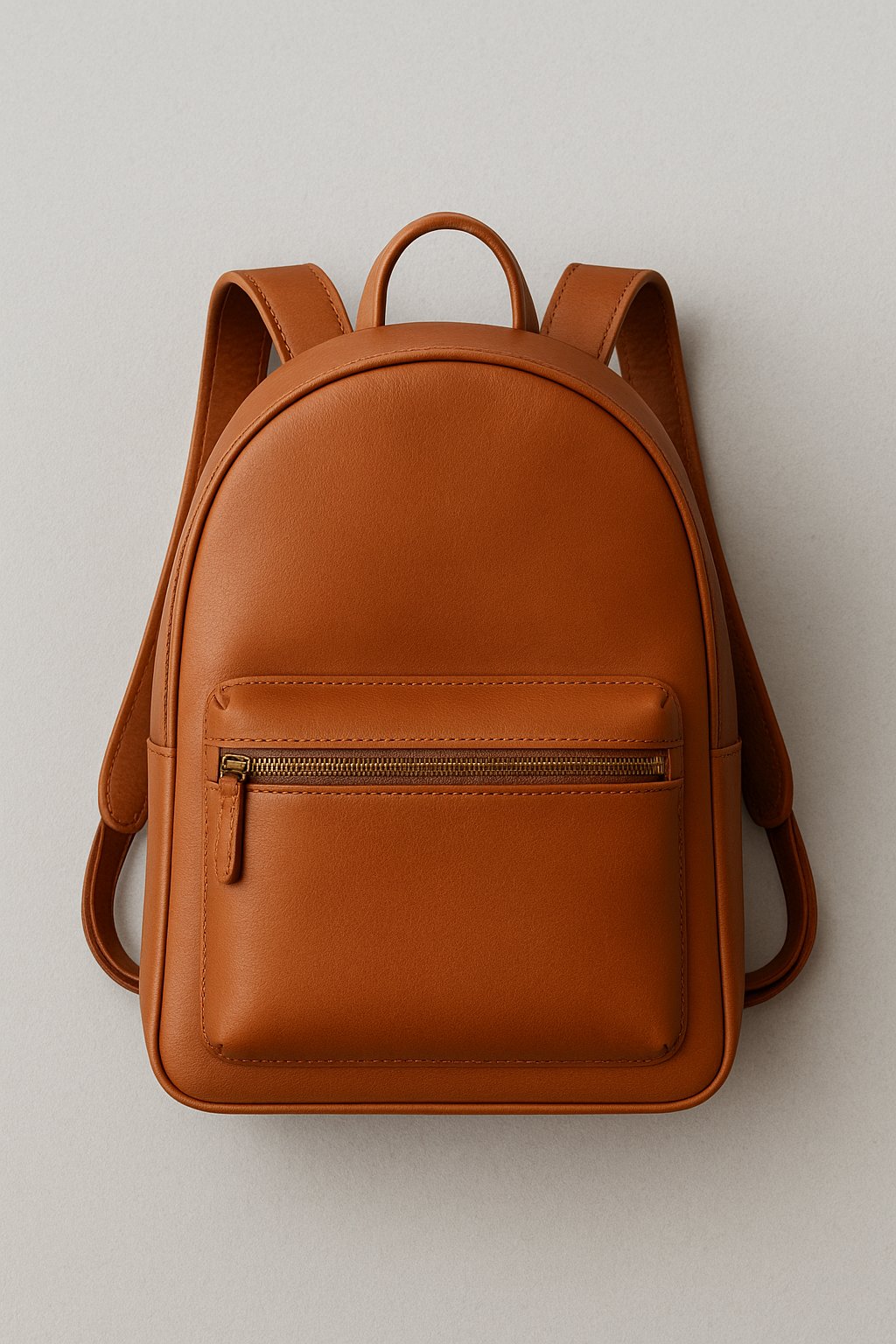
View product
An 18 litre everyday backpack with a divided interior, front pocket and adjustable straps.
View productBegin by listing the largest and most awkward items in a normal day's load. Compare their length, width and depth with the stated external bag dimensions, remembering that seams, closure folds and internal dividers use some of the overall space. The approximate litre figure helps compare scale but is not a promise that every object of that volume will fit.
The shape of the opening matters as much as the number. The Portway tote gives fast open access, the Workshop holdall opens broadly from the top, and the Coventry roll-top uses a more vertical compartment. The Saddle satchel divides a smaller load, while the Ledger backpack separates flatter items behind an internal divider.
Carry style should be checked with the outer layers you use most often. Adjustable straps allow the drop to be changed, but a heavily loaded shoulder or crossbody bag will still feel different from a backpack that uses two straps. Choose a practical format before treating colour as the deciding factor.
Each design has a different strength, from compact organisation to a wide packing opening.
The smallest option separates compact essentials into two sections and uses an adjustable crossbody strap for close everyday carry.
The open main compartment suits customers who value quick access, with one zipped pocket reserved for smaller items.
The vertical body carries a light layer and daily items, while the folded top keeps the opening compact.
Twin shoulder straps leave both hands free, with a divider for flatter items and a separate front pocket.
The broad base and wide zip opening suit a change of clothes and compact short-trip essentials carried by hand or shoulder strap.
A five-minute comparison at home can prevent choosing a bag that is the right style but the wrong shape.
Place daily items together and remove occasional extras that do not need permanent bag space.
Check length, width and depth rather than relying only on a familiar size name or litre figure.
Decide whether open access, a flap, a roll-top or a wide zip best suits how often items are reached.
Consider hand, shoulder, crossbody or backpack use with the coat or jacket normally worn.
Confirm dimensions, compartments and included straps on the individual item before submitting the order request.
Open the leather bags collection, shortlist by dimensions and carry method, then use the product pages to confirm every compartment before checkout.
Related products
A few catalogue examples that connect the guidance, process, or service topic to the actual storefront.
An 18 litre everyday backpack with a divided interior, front pocket and adjustable straps.
£159.00
View product
A 28 litre weekender-style holdall with a wide zip opening and separate end pocket.
£179.00
View product
A compact 6 litre satchel with flap closure, two inner sections and an adjustable strap.
£119.00
View productBasket
0 items in cart
Your cart is saved in this browser until you clear it. Need help now? Contact us on +4424 7646 6296.